Learn about the Crucial Functions Delivered by a CG Contractor for Your Construction Job
In the world of development, a commercial general contractor is essential in ensuring project success. Their offerings include full project control, financial planning, and managing diverse parties. This expertise doesn't just simplify processes but also handles regulatory adherence and standard maintenance - Hickory top rated Commercial General Contractor. Understanding these essential professional advice services can markedly change the project's final result. What particular value can a general contractor bring to upcoming project?
Thorough Project Oversight
Thorough project management is essential for the smooth completion of construction projects. It involves a organized strategy that covers planning, coordination, and management of a build from beginning to end. A commercial general contractor is key in this process, making certain that all project components match up with the client's vision and legal standards.
Effective project management includes defining project scopes, timelines, and results while keeping lines of communication open among team members. The contractor manages sub-trades, handles supplies and equipment, and monitors quality control to ensure the project meets defined requirements. In addition, a comprehensive management plan incorporates risk management techniques to spot issues ahead of time and create solutions.
Finally, effective oversight fosters collaboration, makes execution smoother, and increases the chance of completing a build on time and within budget and scope, consequently boosting client satisfaction and successful outcomes.
Budget Oversight and Expenditure Control
Effective project management naturally leads to the need for tight budget control and financial oversight. A commercial general contractor plays a pivotal role in creating the monetary plan for a project. This involves thorough budget forecasting based on project specifications, labor, materials, and machinery. By recognizing budget threats in advance, the contractor can implement strategies to address these problems, making certain that the project remains within budget.
Additionally, ongoing tracking of spending throughout the project lifecycle is essential. The firm utilizes tools and methods to track costs against the budget, enabling proactive adjustments where required. This disciplined process is key to preventing cost overruns but also improves fiscal responsibility among all stakeholders. Crucially, good budgeting and expense control create a clear fiscal atmosphere, allowing for informed decision-making and resource allocation, a necessity for the successful execution of any building endeavor.
Coordination of Subcontractors and Suppliers
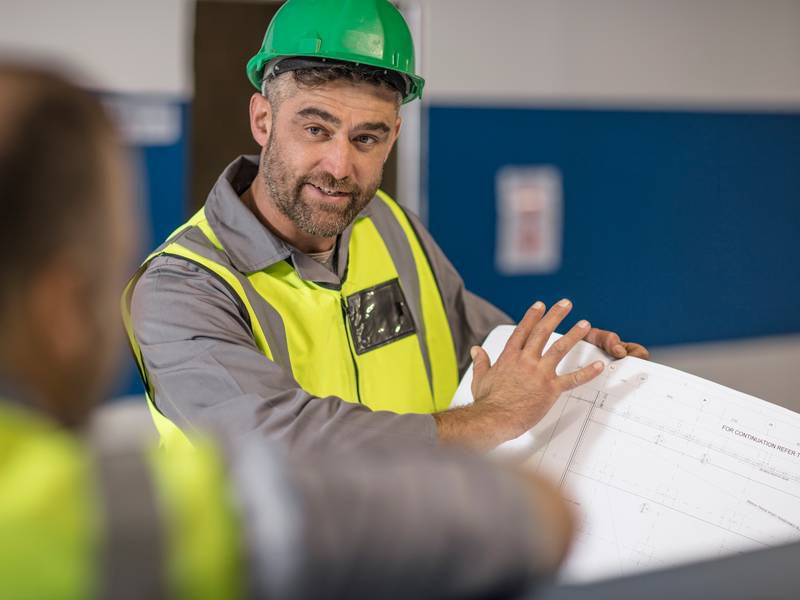
In the course of construction management, effective liaison with suppliers and subs is vital for keeping the workflow efficient and hitting target dates. A commercial general contractor is instrumental in coordinating these interactions, guaranteeing alignment among all parties with the timeline and expected outcomes. Effective communication among subcontractors, suppliers, and the general contractor is vital to mitigate delays and avoid expensive miscommunications.
The contractor manages the planning of subcontractor work sequences, which helps to streamline operations and improve the distribution of resources. Additionally, they manage the procurement of materials from suppliers, making certain that required materials arrive according to the schedule and budget. Through the management of these key relationships, the contractor can rapidly handle any arising complications, leading to a more seamless construction process. Crucially, this management does more than just boost project efficiency but also is key to the successful outcome of the construction endeavor, making sure all elements integrate smoothly.
Meeting Building Codes and Regulatory Standards
Adhering to building codes and regulatory standards is a fundamental responsibility of a commercial general contractor, because ignoring these standards often causes serious fiscal and legal consequences. A commercial general contractor must possess a thorough understanding of local, state, and federal regulations that govern building projects. This expertise enables them to navigate complex legal frameworks, making certain every facet of the project—from design to execution—satisfy all mandated criteria.
Moreover, contractors typically partner with engineers, architects, and governing agencies to ensure plans and specs comply with regulations. By performing frequent checks and evaluations, they are able to detect regulatory problems soon, reducing risks and preventing expensive holdups. In the end, a firm dedication to following regulations does more than just protect the GC's standing but also protects the interests of clients, making sure projects finish successfully and free from avoidable issues.
Safety Oversight and Quality Control
Site safety and quality control are essential elements of a commercial general contractor's role, that fundamentally influence the integrity and outcome of construction projects. These factors make certain that all work conforms to set standards
A trusted contractor establishes strict inspection processes to ensure that materials and workmanship comply with project specifications - Hickory top rated Commercial General Contractor. Regular site evaluations take place to locate possible risks and enforce safety protocols among workers. This preventative method shields employees but also stops costly interruptions and rework due to safety incidents or quality issues
Furthermore, open dialogue between the contractor, subcontractors, and suppliers is crucial for maintaining high standards throughout the project lifecycle. By prioritizing quality assurance and safety oversight, a commercial general contractor fosters a culture of accountability, ultimately contributing to the successful completion of projects on time and within budget
Frequently Asked Questions
What Kinds of Projects Can a Commercial General Contractor Undertake?
A commercial general contractor can undertake many types of projects, including business centers, retail spaces, warehouses, industrial facilities, renovations, and new constructions. They oversee the whole operation, ensuring quality, compliance, and punctual finishing of each project.
What's the Best Way to Pick the Right Commercial General Contractor?

To choose the right commercial general contractor, one should review their expertise, contact previous clients, assess financial stability, review past work, and demand transparent communication. A thorough selection process can lead to successful project outcomes.
What Should I Expect During the Initial Consultation?
During the initial consultation, clients can expect discussions about desired outcomes, timelines, budget estimates, and contractor capabilities. This meeting acts as a basis for creating shared comprehension and aligning expectations between the client and contractor.
How Do Contractors Manage Project Timelines Effectively?
Contractors skillfully control project timelines by utilizing detailed planning, defining key checkpoints, managing timetables, and keeping communication flowing with all stakeholders. They also adjust resources as needed to guarantee timely project completion and reduce possible hold-ups.
What Are the Benefits of Hiring a General Contractor Versus DIY?
Engaging a general contractor furnishes specialized knowledge, full oversight of the job, and access to a network of vetted specialists. This ensures quality work, adherence to deadlines, and meeting all legal requirements, which significantly lowers anxiety and unnecessary expenses versus doing it yourself.
Comments on “Sourcing Development Strategy”